oniru.ai6 min read
How to test an automation before you hand it to a client.
Every automation passes its demo. Production is a thousand submissions from strangers against data nobody chose, and that is where client trust is lost.

Practical writing on automation delivery, APIs and the operational details that make systems reliable.
Every automation passes its demo. Production is a thousand submissions from strangers against data nobody chose, and that is where client trust is lost.
Maintenance is a separate commercial product from the build, because you are selling availability rather than output. Price it against response, not hours.
There is no API, or it costs more than the project. Five workable approaches, and how to choose the one that matches what the client can tolerate breaking.
Most agency automation work is data protection work, and it usually gets treated as though it is not. Controllers, processors and where the data actually goes.
A model in the middle of a workflow returns whatever it decided to write. Build the step so the node after it always receives the shape it was expecting.
A pipeline that extracts fields at ninety percent accuracy and writes all of them has not saved anybody time. It has created a data problem for later.
One-way sync is solved. Two-way sync is a different problem, and the first failure appears within minutes: two systems updating each other forever.

A request for AI is a budget and an expectation, not a requirement. Behind almost every one there is a specific, boring, buildable job worth finding first.
A workflow runs every night and nobody fully understands it. Working is not the same as owned, and the difference only becomes visible when it stops.

Agencies that build automation are badly placed to advise against it, which is why the advice carries weight when it comes from them. Six clear signals.
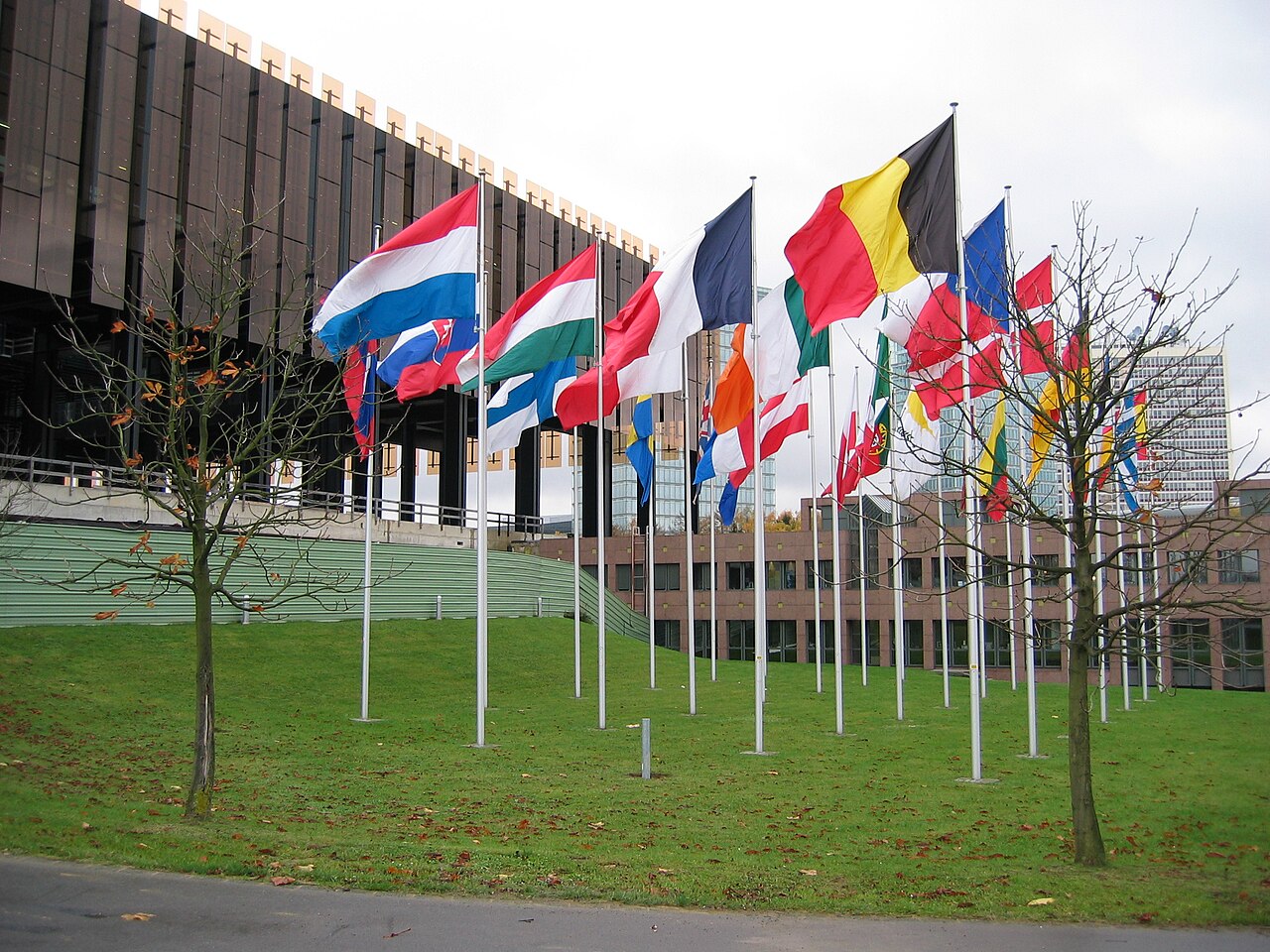
Enforcement began on 2 August 2026 and the rules reach further into ordinary agency work than the coverage suggested. What is in scope, and what is not.
Subcontracting technical work does not have to put the client relationship at risk. The protections are contractual and operational, and every one of them can be written down in advance.
Send us the requirement. We’ll tell you how we’d approach it, what it would require and whether it makes sense to build.
No pitch deck required. A rough description is enough.
Or write to [email protected]